

WordPress Maintenance: Why Neglecting Your Site Is Quietly Draining Your Business
Most business owners don’t think about their WordPress website until something goes wrong. As long as the homepage loads and the contact form works, everything seems fine. It’s easy to assume that a website, once built, will simply continue doing its job indefinitely. But that assumption is where the real problem begins.
A WordPress site is not a static asset. It’s a living system made up of core software, plugins, themes, databases, and server environments that are constantly evolving. Ignoring that reality doesn’t just increase risk—it almost guarantees future costs. And those costs rarely arrive in small, manageable increments. They tend to appear suddenly, often at the worst possible moment.
Neglecting WordPress maintenance is not a way to save money. It’s a way to defer expenses until they become significantly larger, more urgent, and more damaging.
The Illusion of Stability
At first glance, a WordPress website can appear stable for months or even years without any attention. Pages load, content displays correctly, and customers can interact with the site as expected. This creates a false sense of security.
Behind the scenes, however, things are changing constantly. WordPress core updates are released regularly. Plugin developers push new versions to fix bugs, patch vulnerabilities, or add features. Hosting environments evolve, often upgrading PHP versions or server configurations. Browsers change how they interpret code. Security threats become more sophisticated.
When a site is not maintained, it slowly drifts out of alignment with everything around it. This drift is subtle at first. Maybe a plugin becomes slightly outdated. Then two plugins begin to conflict. Eventually, a critical component breaks—and when it does, it rarely fails in isolation.
Instead, failures tend to cascade.
When Things Break, They Don’t Break Quietly
A neglected WordPress site doesn’t usually give gentle warnings. Failures tend to be abrupt and disruptive.
One day, a routine plugin update might bring down your entire checkout process. Another day, your homepage might suddenly display a blank white screen with no explanation. In more serious cases, your website could be compromised by malware without you even realizing it—until your hosting provider suspends your account or search engines flag your domain as unsafe.
These situations are not rare edge cases. They happen every day across thousands of unmanaged WordPress installations.
What makes them particularly damaging is timing. Problems rarely occur during slow periods. They tend to surface when your site is under pressure—during marketing campaigns, seasonal peaks, or high-traffic events. At that point, every minute of downtime directly translates into lost revenue and damaged trust.
Understanding What Maintenance Really Involves
WordPress maintenance is often misunderstood as a simple task—something like clicking an “update” button occasionally. In reality, it’s a structured, ongoing process that ensures your website remains secure, stable, and efficient.
At its core, maintenance involves keeping every part of your website ecosystem aligned and functioning together. This includes updates, backups, monitoring, performance optimization, and proactive issue detection.
Each of these areas plays a critical role, and neglecting any one of them can create vulnerabilities that affect the entire system.
The Role of Updates in Long-Term Stability
Updates are one of the most visible aspects of WordPress maintenance, but also one of the most misunderstood.
Every update—whether it’s for the WordPress core, a plugin, or a theme—exists for a reason. Often, that reason is security. Developers regularly patch vulnerabilities that could otherwise be exploited by attackers. Ignoring these updates is essentially leaving known weaknesses unaddressed.
But updates are not only about security. They also ensure compatibility. As technology evolves, older code can become incompatible with newer environments. This can lead to conflicts, errors, or degraded performance.
At the same time, updates carry their own risks. Installing them blindly on a live site can cause unexpected issues, especially if multiple components interact in complex ways. That’s why proper maintenance involves testing updates in a controlled environment before applying them to the production site.
Without this process, updates become a gamble rather than a safeguard.
Backups: Your Only Reliable Safety Net
No matter how well a site is maintained, things can still go wrong. A failed update, a server issue, or a security breach can compromise your website in seconds. When that happens, your ability to recover depends entirely on your backup system.
Many site owners assume their hosting provider handles backups adequately. Sometimes they do—but often with limitations. Backups may be stored on the same server, making them useless in the event of a server failure. They might be created infrequently, leaving gaps in your data. Or they may take hours to restore, prolonging downtime.
A proper backup strategy is proactive, not assumed. It ensures that your data is copied regularly, stored securely off-site, and available for quick restoration. Without it, recovery becomes uncertain and potentially costly.
The difference between having a reliable backup and not having one is often the difference between a minor inconvenience and a major business disruption.
Security: A Constant, Not a One-Time Task
Because WordPress is so widely used, it is also one of the most targeted platforms on the internet. Automated bots continuously scan websites for vulnerabilities, looking for outdated plugins, weak passwords, or misconfigured settings.
Security is not something that can be set up once and forgotten. It requires continuous monitoring and adaptation. Threats evolve, and defenses must evolve with them.
Without active security measures, a compromised site can go unnoticed for days or even weeks. During that time, attackers may inject malicious code, redirect visitors, or use your site for spam campaigns. By the time the issue is discovered, the damage may already be significant—both technically and reputationally.
Early detection is critical. The sooner a problem is identified, the easier and less expensive it is to resolve.
The Hidden Impact of Downtime
Downtime is one of the most immediate and visible consequences of poor maintenance. When your website is unavailable, customers cannot access your services, make purchases, or contact your business.
But the impact goes beyond lost transactions. Repeated downtime erodes trust. Visitors who encounter errors may not return. Search engines may reduce your rankings if your site is frequently inaccessible. Over time, this can lead to a decline in traffic and visibility that is difficult to recover from.
What makes downtime particularly dangerous is that many site owners are unaware of it until someone else points it out. Without proper monitoring, your website could be offline for hours before you even realize there’s a problem.
Performance Degradation Over Time
Even if a site doesn’t crash or get hacked, neglect can still take a toll in more subtle ways. Performance tends to degrade gradually.
Databases accumulate unnecessary data. Caching systems become less effective. Scripts and stylesheets grow heavier. As a result, page load times increase.
This might seem like a minor issue, but performance directly affects user behavior. Slow websites lead to higher bounce rates, lower engagement, and reduced conversions. They also impact search engine rankings, making it harder for potential customers to find you in the first place.
Regular performance monitoring and optimization ensure that your site continues to deliver a fast and seamless experience.
The Real Cost of Reactive Management
Many businesses adopt a reactive approach to WordPress management. They fix problems only when they become visible. While this might seem cost-effective in the short term, it often leads to higher expenses over time.
Emergency fixes are typically more expensive than preventive maintenance. Recovering from a hacked site can cost hundreds or even thousands of dollars. Repairing a broken e-commerce system can disrupt sales and require urgent, high-cost intervention. Rebuilding lost SEO rankings can take months of sustained effort.
In contrast, consistent maintenance spreads costs over time and reduces the likelihood of major incidents. It transforms unpredictable crises into manageable routines.
Treating Your Website as a Business Asset
A WordPress website is not just a digital brochure. For many businesses, it is a primary revenue channel, a marketing platform, and a point of customer interaction.
Assets of this importance require ongoing care. Just as you would maintain physical equipment or financial systems, your website needs regular attention to remain effective.
When maintenance is treated as an integral part of operations rather than an afterthought, the entire business benefits. The site becomes more reliable, more secure, and more capable of supporting growth.
Moving from Reactive to Proactive
The shift from reactive to proactive management is one of mindset as much as process. It involves recognizing that problems are not random—they are often the result of accumulated neglect.
Proactive maintenance anticipates issues before they occur. It creates systems for monitoring, testing, and improving the site continuously. Instead of waiting for failures, it reduces their likelihood.
This approach doesn’t eliminate all risks, but it significantly lowers their impact and frequency. It provides stability, predictability, and peace of mind.
Conclusion: The Cost of Inaction
Ignoring WordPress maintenance may seem harmless in the moment, especially when everything appears to be working. But beneath that surface, risks are building.
Eventually, those risks materialize—often suddenly and at a high cost. Whether it’s a security breach, a critical failure, or a gradual decline in performance, the consequences are real and measurable.
Maintenance is not about avoiding work. It’s about avoiding disruption. It’s about ensuring that your website continues to support your business rather than undermine it.
In the long run, the question is not whether you can afford to maintain your WordPress site. It’s whether you can afford not to.
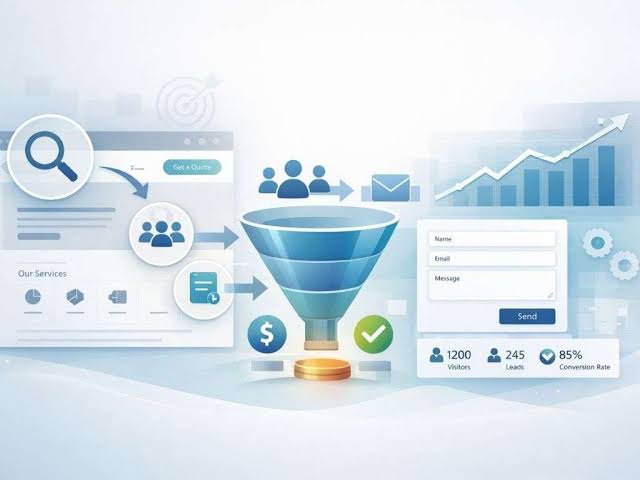
How to Turn a WordPress Website Into a Real Sales Machine
Most business owners approach launching a WordPress website as if the hardest part is simply getting it live. They focus on themes, plugins, colors, and layouts, believing that once the site is up, the job is done. In reality, that’s where the real work begins. A website, no matter how visually appealing or technically sound, does not automatically generate revenue. Without a clear strategy for attracting, engaging, and converting visitors, it remains nothing more than a digital placeholder — an expensive online brochure that rarely delivers measurable results.
Transforming a WordPress website into a true sales machine requires a shift in perspective. It’s not just about development; it’s about integrating technology with marketing, psychology, and data. Every element of your site must serve a purpose within a larger system designed to guide users toward a specific action. Whether that action is making a purchase, filling out a form, or scheduling a consultation, your website should be engineered to make that outcome as seamless and inevitable as possible.
Rethinking the Role of Your Website
A high-performing website is not an isolated asset. It functions as the central hub of your entire digital ecosystem. Traffic flows into it from search engines, paid advertising, social media platforms, and referrals. Once users arrive, the site must immediately communicate value, build trust, and guide them toward conversion.
Too often, businesses treat their websites as static entities. They design them once and leave them untouched for months or even years. Meanwhile, user expectations evolve, competitors improve, and algorithms change. A sales-driven website, by contrast, is dynamic. It is continuously refined based on performance data, user behavior, and market trends.
The Technical Foundation: Speed, Stability, and Structure
Before focusing on marketing or design, it is essential to address the technical fundamentals. A slow or unstable website undermines every other effort. Speed, in particular, has a direct impact on both user experience and conversion rates. If a page takes more than a few seconds to load, visitors are likely to leave before they even see your offer.
Achieving high performance requires disciplined development practices. This means avoiding bloated themes, limiting unnecessary plugins, and optimizing assets such as images and scripts. Clean code and efficient architecture are not luxuries; they are prerequisites for a site that can handle traffic and convert users effectively.
Equally important is mobile optimization. The majority of users now access websites through mobile devices, and their expectations are unforgiving. A site that feels clunky or difficult to navigate on a smartphone will lose potential customers instantly. Every interaction — from scrolling to clicking a button — must feel intuitive and responsive.
Design as a Tool for Conversion
Design is often misunderstood as purely aesthetic, but in the context of a sales-driven website, it is fundamentally about communication and persuasion. Within seconds of landing on your site, a visitor forms an impression of your brand. This impression influences whether they stay, explore, or leave.
A well-designed interface does more than look good. It guides the user’s attention, emphasizes key messages, and reduces friction. Clear typography, balanced layouts, and consistent visual elements create a sense of professionalism and trust. On the other hand, cluttered pages, inconsistent styling, or generic templates can signal low quality and drive users away.
Effective design also prioritizes clarity. Visitors should immediately understand what you offer, who it is for, and what they should do next. Ambiguity is the enemy of conversion. Every page should have a clear purpose, and every element on that page should support that purpose.
Building Trust in a Skeptical Market
Trust is one of the most critical factors in online conversions. Unlike physical stores, where customers can see and interact with products directly, online businesses must rely on digital signals to establish credibility. These signals include testimonials, case studies, professional design, secure payment systems, and transparent communication.
Modern consumers are highly skeptical. Before making a purchase, they often research a brand across multiple channels. They check social media profiles, read reviews, and look for evidence of real-world results. Your website must align with these external signals. A polished site paired with inconsistent or low-quality social media presence creates doubt and hesitation.
To build trust effectively, your website should tell a coherent story. It should showcase your expertise, highlight successful outcomes, and provide reassurance at every stage of the user journey. This is not about exaggeration or hype; it is about demonstrating value in a clear and authentic way.
Driving Traffic: Visibility as the Engine of Growth
Even the most optimized website cannot generate sales without traffic. Visibility is the fuel that powers your sales machine, and achieving it requires a strategic approach. There are two primary paths: organic search and paid advertising. Each has its own advantages, challenges, and timelines.
Organic search, often referred to as SEO, focuses on attracting users through search engines. It is a long-term strategy that involves optimizing your site’s structure, content, and authority. When done correctly, it provides a steady stream of high-intent visitors who are actively searching for solutions. This makes it one of the most sustainable and cost-effective channels over time.
Paid advertising, on the other hand, offers speed and scalability. Platforms like Google and Meta allow businesses to reach targeted audiences almost instantly. However, this approach requires careful management and precise tracking. Without accurate data, it becomes impossible to determine which campaigns are profitable and which are wasting budget.
The most effective strategy often combines both approaches. Organic search builds a strong foundation, while paid campaigns provide immediate results and valuable insights that can be used to refine your overall marketing efforts.
The Importance of Data and Tracking
A true sales machine is driven by data. Every click, scroll, and conversion provides information that can be used to improve performance. Without proper tracking, you are essentially operating in the dark, making decisions based on assumptions rather than evidence.
Implementing tools such as analytics platforms and tag managers allows you to monitor user behavior in detail. You can identify which pages perform well, where users drop off, and which traffic sources generate the most value. This information is invaluable for optimizing your site and maximizing return on investment.
Data also enables experimentation. By testing different headlines, layouts, and offers, you can discover what resonates most with your audience. Over time, these incremental improvements can lead to significant increases in conversion rates and revenue.
Integrating Social Media and Brand Presence
Your website does not exist in isolation. It is part of a broader digital presence that includes social media, email marketing, and other channels. These elements should work together to create a consistent and compelling brand experience.
Social media, in particular, plays a crucial role in building awareness and credibility. It provides an opportunity to showcase your personality, share insights, and engage with your audience. When users encounter your brand on multiple platforms, it reinforces trust and increases the likelihood of conversion.
Consistency is key. The visual style, tone of voice, and messaging on your social media profiles should align with your website. This creates a seamless experience that strengthens your brand identity and makes your business more memorable.

Continuous Optimization: The Path to Long-Term Success
Turning a WordPress website into a sales machine is not a one-time project. It is an ongoing process of analysis, testing, and refinement. Markets evolve, competitors adapt, and user behavior changes. To stay competitive, your website must evolve as well.
Regular performance reviews help identify areas for improvement. This might involve updating content, improving page speed, refining design elements, or adjusting marketing strategies. The goal is to eliminate friction, enhance user experience, and increase conversions over time.
It is also important to stay informed about industry trends and technological advancements. New tools, techniques, and platforms can provide opportunities to gain an edge over competitors. Businesses that embrace innovation are better positioned to grow and adapt in a rapidly changing digital landscape.
Building the Right Infrastructure for Growth
Managing all aspects of a high-performing website can be overwhelming, especially for business owners who already have numerous responsibilities. Attempting to handle development, design, content creation, and marketing alone often leads to inefficiencies and missed opportunities.
Successful businesses recognize the value of specialization. By working with experienced professionals, they can ensure that each component of their digital strategy is executed effectively. This not only saves time but also leads to better results.
Investing in the right infrastructure — whether it involves hiring experts, using advanced tools, or partnering with agencies — is essential for scaling your operations. It allows you to focus on your core business while ensuring that your website continues to perform at a high level.
From Website to Revenue Engine
At its core, transforming a WordPress website into a sales machine is about alignment. Your design, development, content, and marketing must work together toward a common goal: generating revenue. When these elements are integrated effectively, your website becomes more than just an online presence. It becomes a powerful tool that drives growth, builds relationships, and creates lasting value for your business.
The difference between a passive website and a high-performing sales engine is not luck or chance. It is the result of deliberate strategy, consistent effort, and a willingness to adapt. Businesses that understand this principle are the ones that turn their websites into assets that actively contribute to their success, rather than liabilities that simply exist in the background.

Essential WordPress Optimization Guide for Business Growth
Why WordPress Optimization Is a Business Imperative
WordPress optimization is not just a technical exercise—it is a direct driver of business growth. Every fraction of a second in page load time, every improvement in site structure, and every refinement in content strategy compounds into measurable outcomes: higher traffic, stronger engagement, and increased conversions. In a digital landscape where user expectations are unforgiving and competition is relentless, optimization becomes the invisible engine powering success.
A well-optimized WordPress site does more than load quickly. It communicates clearly with search engines, guides users effortlessly through content, and builds trust through consistent performance. Businesses that treat optimization as an ongoing strategy rather than a one-time task position themselves to benefit from sustained growth rather than short-lived spikes.
The Compounding Effect of Performance and Visibility
Optimization in WordPress creates a powerful feedback loop. Faster websites rank better in search engines, improved rankings drive more traffic, and increased traffic generates more behavioral signals such as longer session durations and lower bounce rates. These signals further reinforce search visibility, creating a cycle of continuous improvement.
At the same time, users are more likely to convert on websites that feel responsive and reliable. A delay of even a few seconds can disrupt the user journey, causing hesitation or abandonment. In this sense, performance is not just about speed—it is about maintaining momentum throughout the entire customer experience.
WordPress Speed Optimization: Building the Foundation
The Critical Role of Hosting Infrastructure
The foundation of WordPress performance begins with hosting. The quality of your hosting provider determines how efficiently your site processes requests, handles traffic spikes, and interacts with the database. High-performance hosting environments are designed to scale dynamically, ensuring stability even during periods of intense demand.
Database performance is particularly critical. Slow query execution can create bottlenecks that ripple through the entire site. When database operations are optimized, content loads faster, transactions complete smoothly, and users experience fewer interruptions. This is especially important for e-commerce platforms and content-heavy websites where multiple queries are executed simultaneously.
Hardware, Software, and Environment Optimization
Beyond hosting, the underlying hardware and software environment plays a significant role. Processor speed, memory allocation, and storage type all influence how quickly your site responds to user requests. Modern infrastructure paired with updated software ensures that your WordPress installation can take advantage of the latest performance improvements.
Keeping WordPress core files, themes, and plugins updated is essential. Updates often include performance enhancements, security patches, and compatibility improvements. Outdated components not only slow down your site but also prevent it from leveraging modern optimization techniques.
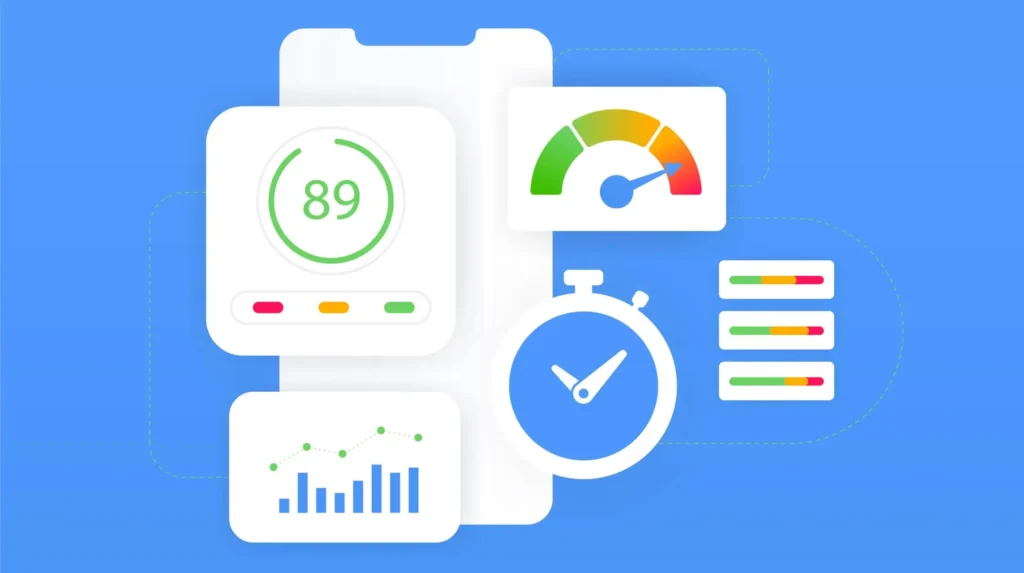
Image Optimization as a Performance Lever
Images represent one of the largest portions of webpage data. Without proper optimization, they can significantly slow down load times. Compressing images while maintaining visual quality is essential for balancing aesthetics with performance.
Modern image formats such as WebP provide substantial size reductions compared to traditional formats. When combined with techniques like lazy loading, which delays the loading of offscreen images, the impact on performance becomes even more pronounced. Properly optimized images can dramatically reduce page load times and improve the overall user experience.
Caching: Reducing Server Load and Increasing Speed
Caching is one of the most effective methods for improving WordPress performance. By storing pre-generated versions of pages, caching eliminates the need to repeatedly process the same requests through PHP and database queries.
Different layers of caching work together to enhance performance. Page caching delivers static HTML files directly to users, while object caching stores database query results for faster retrieval. When properly configured, caching can reduce server load significantly and improve key performance metrics such as Core Web Vitals.
Streamlining Code and Database Efficiency
Efficient code and database management are essential for maintaining a high-performing site. Over time, WordPress databases can accumulate unnecessary data, including post revisions, spam comments, and unused plugin entries. This accumulation slows down queries and increases response times.
Optimizing the database by cleaning up unused data and ensuring efficient indexing improves performance at a fundamental level. Similarly, reducing unnecessary scripts and styles minimizes the number of resources that need to be loaded, further enhancing speed.
WordPress SEO: Structuring for Discoverability
Creating a Logical and Intuitive Site Architecture
Search engine optimization begins with structure. A well-organized website allows both users and search engines to navigate content efficiently. Ideally, any page should be accessible within a few clicks, ensuring that important content is never buried too deeply.
Categories and internal linking play a central role in this structure. By grouping related content and connecting pages through contextual links, you create a network that enhances both usability and search engine understanding. Breadcrumb navigation further reinforces this structure, providing clarity for users and additional context for search engines.
Optimizing Content for Search Intent
Effective SEO goes beyond keywords—it focuses on aligning content with user intent. This involves understanding what users are searching for and delivering comprehensive, relevant information that satisfies their needs.
Keywords should be integrated naturally into titles, headings, and body content. Over-optimization can harm readability and reduce trust, while thoughtful integration enhances both user experience and search visibility. Regularly publishing and updating content signals to search engines that your site is active and relevant.
Clean and Evergreen URL Structures
Permalinks play a subtle yet important role in SEO. Clean, descriptive URLs help users understand what a page is about before they even click. They also provide search engines with additional context.
Avoiding unnecessary elements such as dates ensures that content remains evergreen. A timeless URL structure allows articles to stay relevant and attractive long after their initial publication, preserving their value in search results.
Mobile-First Optimization
With the majority of web traffic coming from mobile devices, optimization must prioritize mobile performance. Responsive design ensures that content adapts seamlessly to different screen sizes, while mobile-specific optimizations improve load times and usability.
Search engines prioritize mobile-friendly websites, making this aspect of optimization critical for maintaining and improving rankings. A mobile-optimized site not only ranks better but also provides a smoother experience for users on the go.
Content Strategy: Driving Sustainable Traffic Growth
The Power of Consistent Publishing
Consistency is one of the most important factors in content strategy. Regular publishing establishes authority, builds audience expectations, and signals ongoing relevance to search engines. Sporadic efforts, by contrast, fail to create momentum and often lead to inconsistent results.
High-quality content that is published consistently has a cumulative effect. Each new piece contributes to the overall visibility of the site, attracting new visitors and encouraging repeat engagement.
Leveraging Long-Tail Keywords
Long-tail keywords offer a strategic advantage in competitive markets. These more specific search phrases may have lower individual search volumes, but they often attract highly targeted audiences with clear intent.
By focusing on long-tail keywords, websites can achieve higher rankings more easily and attract users who are closer to making decisions. Over time, the combined impact of multiple long-tail keywords can rival or exceed that of broader, more competitive terms.
Updating and Expanding Existing Content
Refreshing existing content is one of the most efficient ways to improve performance. Articles that already have some level of visibility can be enhanced with updated information, expanded coverage, and improved structure.
This approach leverages existing authority while reducing the effort required to create entirely new content. By maintaining and improving older posts, websites can continuously strengthen their overall content portfolio.
Internal Linking as a Strategic Tool
Internal linking connects content into a cohesive ecosystem. By linking related pages, you guide users through your site while distributing authority across different sections.
Strategic placement of internal links enhances both usability and SEO. It helps search engines understand the relationships between pages and ensures that important content receives the visibility it deserves.
Technical Optimization: Refining the Backend
Database Management for Performance Stability
Efficient database management is essential for maintaining consistent performance. Keeping autoloaded data within optimal limits prevents unnecessary strain on server resources. Regular optimization ensures that the database remains streamlined and responsive.
Switching to modern storage engines and optimizing tables further enhances performance. These improvements reduce query times and allow the database to handle multiple operations simultaneously without degradation.
Reducing HTTP Requests
Every element on a webpage—scripts, styles, images—requires an HTTP request. The more requests a page makes, the longer it takes to load. Reducing these requests is a key aspect of front-end optimization.
Combining files, minimizing scripts, and implementing lazy loading all contribute to a more efficient loading process. By reducing the number of requests, you improve both speed and user experience.
Content Delivery Networks and Global Performance
A Content Delivery Network distributes your website across multiple servers worldwide. This ensures that users access content from the server closest to their location, reducing latency and improving load times.
CDNs also reduce the load on your origin server, allowing it to handle more traffic efficiently. This is particularly important for websites with a global audience.
Monitoring and Continuous Improvement
Optimization is not a one-time task—it requires ongoing monitoring and refinement. Tracking metrics such as CPU usage, memory consumption, and database performance provides insights into potential bottlenecks.
By identifying and addressing issues proactively, you can maintain a high level of performance and prevent problems before they impact users.
The Value of Professional Optimization
While many optimization techniques can be implemented independently, professional services offer a level of expertise and efficiency that accelerates results. Experienced teams can identify issues that may not be immediately apparent and implement solutions tailored to specific needs.
Professional optimization also ensures that all aspects of performance—speed, SEO, content, and technical infrastructure—are aligned and working together. This holistic approach delivers more consistent and impactful results.
Building a High-Performance WordPress Ecosystem
WordPress optimization is a multifaceted process that touches every aspect of your website. From hosting and speed to SEO and content strategy, each element contributes to the overall performance and success of your site.
When these elements are aligned, they create a powerful system that attracts visitors, engages users, and drives conversions. The result is not just a faster website, but a more effective one—capable of supporting long-term business growth.
Sustainable success in WordPress does not come from isolated improvements. It comes from a commitment to continuous optimization, strategic thinking, and a deep understanding of how performance, visibility, and user experience intersect.

Why Most Online Stores Fail — And What It Really Takes to Succeed
The growth of e-commerce over the past decade has created an illusion that building a successful online store is straightforward. Platforms have removed many technical barriers, allowing almost anyone to launch a store within days. Templates are readily available, payment systems are easy to integrate, and logistics solutions are more accessible than ever.
From the outside, it looks simple.
But this accessibility hides a harsher reality. While starting an online store is easier than ever, building one that consistently generates profit is significantly harder. Thousands of stores launch every day, yet a large percentage of them disappear just as quickly. Not because the opportunity isn’t there, but because the execution falls apart.
Failure in e-commerce rarely comes down to a single mistake. It’s usually the result of weak foundations, poor decisions, and a lack of long-term thinking. Understanding these patterns is the difference between building a business that survives and one that quietly shuts down.
The Misconception of Easy Money
One of the biggest reasons online stores fail is the expectation of quick and effortless profit. Many entrepreneurs enter the space believing that once the website is live, sales will naturally follow. They assume that having products available online is enough to attract buyers.
It isn’t.
A website without traffic, positioning, and trust is invisible. And invisibility is fatal in e-commerce. Unlike physical stores, where location can generate foot traffic, online businesses must actively earn attention. Without a strategy to attract and convert visitors, even the best-designed store will struggle.
This gap between expectation and reality leads to frustration. When results don’t come quickly, motivation drops, decisions become reactive, and the business starts to drift without direction.
The Foundation Problem: Skipping Market Understanding
Many failing stores begin with a flawed assumption: that personal interest equals market demand. Entrepreneurs choose products they like or believe are trending, without validating whether customers are actively searching for them or willing to pay for them.
This is where things break early.
Without a deep understanding of the target audience, pricing dynamics, and competitive landscape, a store is essentially guessing. In saturated markets, this guesswork becomes even more dangerous. Competing against established brands without a clear differentiation strategy is a losing game.
Successful stores don’t rely on intuition alone. They are built on insight. They understand who the customer is, what problem they are trying to solve, and why that customer would choose them over alternatives.
When the Storefront Pushes Customers Away
Your website is your storefront, but unlike a physical store, visitors can leave instantly with no effort. This makes first impressions brutally important.
A poorly designed website signals risk. Slow loading times, confusing navigation, cluttered layouts, or inconsistent visuals create friction. Even small issues can cause hesitation, and hesitation kills conversions.
What many business owners underestimate is how quickly users judge credibility. Within seconds, visitors decide whether your store feels trustworthy. If it doesn’t, they leave — often permanently.
Good design is not about decoration. It is about clarity and confidence. It should guide users effortlessly, reduce doubt, and make the buying process feel natural.
Visibility: The Silent Killer of Most Stores
Even a well-built store will fail if no one sees it. One of the most common mistakes is launching a website and expecting traffic to arrive organically.
The internet doesn’t work that way.
Search engines require optimization. Social media requires consistent engagement. Paid advertising requires investment and strategy. Without these efforts, a store remains hidden.
This is where many businesses stall. They underestimate the importance of marketing or treat it as an afterthought. As a result, their store exists, but it doesn’t attract meaningful traffic.
The stores that succeed understand that visibility is not optional. It is the engine that drives everything else.
The Product Trap: Selling Without Positioning
Product selection is another area where many stores go wrong. Some businesses choose items with low demand or minimal profit margins. Others try to sell too many unrelated products, creating a brand that feels scattered and unfocused.
Customers don’t just buy products—they buy solutions and identity. If your store doesn’t clearly communicate what it stands for, it becomes forgettable.
Strong stores focus. They build around a clear niche, solve a specific problem, and speak directly to a defined audience. This focus makes marketing easier, messaging stronger, and conversions higher.
Friction at the Point of Purchase
Even when a store manages to attract visitors and build interest, the final step—conversion—is often where things fall apart.
A complicated checkout process can undo everything. If users are forced to create accounts, fill out excessive forms, or navigate multiple unnecessary steps, many will abandon their carts. The more effort required, the lower the completion rate.
This is not a minor issue. Cart abandonment is one of the most expensive leaks in e-commerce, and it often goes unnoticed until significant revenue is lost.
A smooth checkout experience removes obstacles. It respects the user’s time and minimizes decisions. The easier it is to buy, the more people will complete the process.
Trust: The Currency of Online Transactions
Trust is one of the most fragile and essential elements in e-commerce. Customers are asked to share personal information and payment details with businesses they may have never encountered before.
If your store does not feel credible, users will hesitate.
Lack of reviews, unclear policies, poor branding, or missing security signals can all raise red flags. Even if your products are high quality, doubt can prevent a purchase.
Building trust requires consistency. Your design, messaging, and customer experience must all reinforce reliability. Transparency plays a key role as well. Clear communication about shipping, returns, and support helps reduce uncertainty.
The Content Gap: Failing to Sell the Product
Online shoppers cannot physically interact with products. They rely entirely on the information presented to them. When product descriptions are vague or generic, and images are low quality, customers are left with unanswered questions.
Uncertainty leads to hesitation, and hesitation leads to lost sales.
Effective product pages do more than describe features. They communicate value. They help the customer visualize the product in use and understand how it solves their problem. High-quality visuals and detailed explanations bridge the gap between curiosity and confidence.
Ignoring the Mobile Reality
A significant portion of online shopping now happens on mobile devices. Despite this, many stores are still designed primarily for desktop experiences.
This mismatch creates friction.
If a site is difficult to navigate on a smartphone, loads slowly, or has a complicated checkout process, users will leave. Mobile users expect speed, simplicity, and responsiveness. Anything less feels outdated.
Optimizing for mobile is no longer optional. It is a baseline requirement for competing in today’s market.
The Overlooked Power of Customer Experience
Customer support is often treated as a secondary concern, but it plays a major role in long-term success. When customers have questions or encounter issues, their experience with your support system shapes their perception of your brand.
Slow responses or lack of communication create frustration. Over time, this erodes trust and reduces the likelihood of repeat purchases.
On the other hand, responsive and helpful support builds loyalty. It turns one-time buyers into returning customers and advocates for your brand.
The Absence of Long-Term Thinking
Perhaps the most critical reason online stores fail is the lack of a long-term strategy. Many business owners expect immediate results and become discouraged when growth is slow.
E-commerce is not a short-term game.
It requires continuous improvement, testing, and adaptation. Markets change, competitors evolve, and customer expectations shift. Stores that do not evolve with them fall behind.
Successful businesses approach e-commerce as an ongoing process. They analyze data, refine their strategies, and invest in growth over time. They understand that consistency and persistence are what ultimately drive results.
Turning Failure Patterns Into a Competitive Advantage
The reasons most online stores fail are not secrets. They are patterns that repeat across the industry. The advantage comes from recognizing these patterns early and actively avoiding them.
A successful online store is built on strong foundations: clear market understanding, effective design, strategic marketing, and continuous optimization. It aligns every element—from product selection to user experience—toward a single goal: generating consistent, sustainable revenue.
This doesn’t happen by accident. It requires deliberate effort, informed decisions, and a willingness to adapt.

Final Perspective: Success Is Engineered, Not Hoped For
If there’s one thing to take away, it’s this: online store success is not about luck or timing. It is about execution.
The businesses that win are not necessarily the ones with the best products or the biggest budgets. They are the ones that understand how all the pieces fit together—and make them work as a system.
If your store isn’t performing, the answer is not to abandon it or chase the next trend. It’s to identify where the system is breaking down and fix it.
Because when everything aligns—traffic, trust, experience, and strategy—an online store stops being a gamble and starts becoming a predictable, scalable business.

Why You Need a Secure WordPress Site
A Small Incident That Becomes a Business Crisis
In early 2022, a small bakery in Austin launched a simple WordPress website to support its growing online orders. At first, everything worked exactly as expected. Traffic increased steadily, and revenue followed. The website became an essential part of the business, generating consistent monthly growth and expanding the bakery’s reach far beyond its physical location.
Then, without warning, everything changed.
One ordinary Tuesday, customers visiting the site were no longer greeted with fresh pastries and inviting images. Instead, they encountered spam content promoting pharmaceuticals. The website had been compromised through a vulnerability in an outdated plugin. Within hours, trust was broken. Within days, revenue dropped sharply. Within weeks, the long-term damage became clear.
It took nearly two weeks to fully restore the site. During that time, the business lost thousands of dollars in revenue. More importantly, it lost search engine visibility that had taken months to build. Rankings disappeared, traffic collapsed, and customer confidence was shaken.
This story is not unusual. It reflects a pattern that plays out across thousands of WordPress websites every single day.
WordPress Popularity: Strength and Vulnerability
WordPress powers a significant portion of the internet. Its flexibility, ease of use, and massive ecosystem make it the preferred choice for businesses of all sizes. However, that same popularity makes it an attractive target for attackers.
When a platform is widely used, it becomes predictable. Attackers know its structure, its common configurations, and its typical weaknesses. They don’t need to target individual businesses manually. Instead, they deploy automated systems that scan millions of websites, searching for vulnerabilities.
These systems operate continuously. They do not care whether your website belongs to a global corporation or a small local shop. Every WordPress installation is simply another potential entry point.
The reality is uncomfortable but clear: visibility brings risk. The more common your platform, the more attention it receives from those looking to exploit it.
The Myth of Being “Too Small to Target”
Many business owners believe their websites are too small to attract attention from attackers. This assumption is one of the most dangerous misconceptions in digital security.
Attacks are rarely personal. They are automated, systematic, and indiscriminate. Bots scan for outdated plugins, weak passwords, and misconfigured environments. When they find a vulnerability, they exploit it instantly.
In fact, smaller websites are often easier targets. They are less likely to have dedicated security measures, less frequently updated, and more likely to rely on default configurations. From an attacker’s perspective, they represent low resistance and high efficiency.
Security is not about being important enough to attack. It is about being exposed enough to be vulnerable.
What Attackers Actually Do to Compromised Sites
The idea of a hacker manually breaking into a website often feels dramatic and distant. In reality, most attacks are automated and strategic. Once access is gained, the goal is rarely to destroy the site outright. Instead, attackers use compromised websites as tools.
One of the most common outcomes is the injection of hidden spam links. These links are invisible to most visitors but are indexed by search engines, boosting the attacker’s own websites while damaging yours. Over time, search engines begin to penalize the compromised site, reducing its visibility.
In other cases, websites are turned into distribution points for malware. Visitors unknowingly download harmful software, putting their own data at risk. This not only harms users but also severely damages trust in the affected business.
Data theft is another major concern. Customer information, email addresses, and transaction data can all be extracted and sold. Even if the stolen data is minimal, the reputational damage can be significant.
Some attackers use compromised servers for entirely different purposes, such as sending spam emails or mining cryptocurrency. These activities consume resources, slow down performance, and may even lead to hosting providers suspending the site.
The common thread across all these scenarios is that the website owner often does not notice immediately. Damage accumulates quietly until it becomes impossible to ignore.
The True Cost of a Security Breach
When a website is hacked, the visible damage is only part of the story. The financial impact extends far beyond the initial incident.
Recovery itself requires time and resources. Cleaning malware, restoring files, and securing vulnerabilities often involves professional assistance. During this process, the site may remain offline or partially functional, leading to lost revenue.
Search engine rankings are particularly fragile. Once a site is flagged for malicious activity, it can take months to regain its previous position. Traffic declines sharply, and rebuilding authority becomes a slow and uncertain process.
Perhaps the most significant cost is trust. Customers who encounter a compromised website may hesitate to return. Even after the issue is resolved, the perception of risk can linger.
When viewed as a whole, the cost of a single security incident often exceeds the investment required for proper preventive measures.
What a Truly Secure WordPress Site Looks Like
Security in WordPress is not a single feature or a one-time setup. It is a system of interconnected protections that work together to reduce risk and respond effectively to threats.
At the infrastructure level, secure hosting environments provide the first line of defense. These environments include firewalls, isolation between sites, and regular server updates. They ensure that even if one component is compromised, the damage is contained.
At the application level, maintaining updated core files, themes, and plugins is essential. Vulnerabilities are frequently discovered and patched, but those patches are only effective if they are applied. Removing unused components further reduces potential entry points.
Monitoring adds another layer of protection. Continuous scanning, activity tracking, and alert systems help detect issues early. The faster a problem is identified, the easier it is to contain.
Recovery capabilities complete the system. Reliable backups stored off-site ensure that data can be restored quickly. Without tested backups, recovery becomes uncertain and potentially incomplete.
Security is not about eliminating risk entirely. It is about managing it effectively and minimizing its impact.
Why Ongoing Maintenance Is Non-Negotiable
One of the most common mistakes is treating security as a one-time task. Installing a plugin or setting a strong password may provide initial protection, but it does not address the evolving nature of threats.
New vulnerabilities are discovered constantly. Plugins that were secure yesterday may become entry points tomorrow. Attack methods adapt, and defenses must evolve accordingly.
Ongoing maintenance ensures that your website remains resilient. This includes regular updates, performance checks, and security audits. It is a continuous process that requires attention and expertise.
Without consistent maintenance, even a well-secured site can become vulnerable over time.
The Role of Expertise in WordPress Security
Managing WordPress security effectively requires more than basic knowledge. It involves understanding how different components interact, recognizing potential risks, and responding quickly to emerging threats.
For many business owners, handling this responsibility alone is not practical. Running a business already demands time and focus. Adding technical security management can stretch resources and increase the likelihood of mistakes.
This is where professional support becomes valuable. A dedicated team can monitor, maintain, and optimize your website continuously. Instead of reacting to problems after they occur, they work to prevent them from happening in the first place.
The goal is not just protection, but stability and confidence. When your website is secure, you can focus on growth without constant concern about potential disruptions.
Taking Immediate Action
If there is uncertainty about your website’s security, ignoring it is the worst possible choice. Even basic checks can reveal vulnerabilities that need attention.
Updating all components, verifying backup systems, and running initial scans are important first steps. However, they should be seen as temporary measures rather than a complete solution.
True security requires a structured approach that addresses every layer of your website. It is an investment in stability, reliability, and long-term success.
Conclusion: Security Is a Business Decision, Not a Technical Detail
Your website is more than a digital presence. It is a critical part of your business infrastructure. It represents your brand, supports your operations, and connects you with customers.
Leaving it unprotected is not just a technical oversight—it is a business risk.
WordPress offers incredible возможностей, but those possibilities come with responsibility. By taking security seriously and treating it as an ongoing priority, you protect not only your website but also your revenue, reputation, and future growth.
The question is not whether your site will be targeted. The question is whether it will be prepared when it is.

Is WordPress Good for SEO? A Complete Guide
WordPress and SEO — A Strong Foundation, Not a Finished Product
WordPress powers more than 40% of all websites on the internet, and that dominance is not accidental. It has earned its reputation as one of the most SEO-friendly content management systems available. From personal blogs to enterprise-level platforms, millions of site owners rely on WordPress to build visibility in search engines and attract organic traffic.
But there is an important truth that often gets overlooked: WordPress is not automatically optimized for SEO. It gives you a strong starting point—a clean structure, flexible architecture, and essential tools—but it does not do the work for you. Think of it as a high-performance car with great engineering; it still needs the right driver, maintenance, and tuning to reach its full potential.
If you approach WordPress strategically, it can become one of the most powerful SEO platforms available. If you don’t, it can perform no better than any average website.
Understanding SEO: More Than Just Keywords
Search Engine Optimization is the process of improving your website so that search engines can understand it, rank it, and present it to users who are searching for relevant information. At its core, SEO is about visibility—but not just any visibility. It’s about attracting the right people at the right time.
Search engines like Google use complex algorithms with hundreds of ranking factors. These include content quality, website structure, speed, mobile usability, backlinks, and user behavior. SEO is not about tricking these systems; it’s about aligning your website with what they are designed to reward.
A useful way to think about SEO is as a communication system. Your website is trying to explain itself to search engines. The clearer and more structured that explanation is, the better your chances of ranking well.
Why SEO Matters for Any Website
Ignoring SEO is one of the fastest ways to make a website irrelevant. Most online experiences begin with a search engine, and if your site doesn’t appear in results, it might as well not exist.
Organic search traffic is often the largest and most sustainable source of visitors. Unlike paid advertising, it doesn’t require constant spending once you achieve strong rankings. However, it does require consistent effort, strategic thinking, and ongoing optimization.
SEO also directly affects credibility. Users trust search engines, and ranking highly signals authority. If your competitors appear on the first page and you don’t, users are more likely to choose them—even if your product or service is better.
WordPress’s Built-In SEO Strengths
One of the biggest advantages of WordPress is that it is designed with SEO in mind. Even without plugins, it provides several features that give you a head start.
The platform uses clean, structured code that search engines can easily crawl and index. This may sound technical, but it matters—messy code can confuse search engines and hurt rankings.
WordPress also allows you to create customizable URLs. Instead of random strings of numbers, you can build clean, readable links that include keywords and clearly describe the content. This improves both user experience and search visibility.
Another important strength is content structure. WordPress makes it easy to organize content using headings, categories, and tags. This helps search engines understand what your pages are about and how they relate to each other.
In addition, most modern WordPress themes are mobile-responsive by default. Since search engines prioritize mobile versions of websites, this is a critical advantage.
The Role of SEO Plugins: Unlocking Full Potential
While WordPress provides the foundation, plugins are what turn it into a complete SEO system. Without them, you’re missing key functionality that modern websites require.
SEO plugins allow you to control meta titles and descriptions, generate XML sitemaps, analyze content, and implement structured data. They also simplify complex tasks that would otherwise require technical expertise.
Tools like Yoast SEO, Rank Math, and All in One SEO act as guides, helping you optimize each page while you create it. They don’t guarantee rankings, but they significantly reduce the chances of making critical mistakes.
However, there’s a catch. Installing too many plugins can slow down your site and create conflicts. The goal is not to use more tools—it’s to use the right ones effectively.
Performance and Speed: The Hidden Ranking Factor
Many people focus on keywords and content but ignore performance. That’s a mistake.
Website speed is a confirmed ranking factor, and it has a direct impact on user behavior. If your site loads slowly, visitors leave. When users leave quickly, search engines interpret that as a sign of low quality.
WordPress sites can become slow if they are poorly configured. Heavy themes, too many plugins, and unoptimized images can all reduce performance.
Improving speed requires attention to detail. Caching, image compression, clean code, and reliable hosting all play a role. A fast website not only ranks better but also converts better.
Content: The Core of SEO Success
No matter how well your site is optimized technically, it will not rank without strong content.
Search engines prioritize content that is useful, relevant, and trustworthy. This means your pages need to answer real questions, solve problems, and provide value.
Keyword research helps you understand what people are searching for, but simply adding keywords is not enough. Content must feel natural, informative, and engaging.
Structure also matters. Clear headings, logical flow, and readable formatting make your content easier to understand for both users and search engines.
Consistency is another key factor. Websites that regularly publish high-quality content tend to perform better over time.
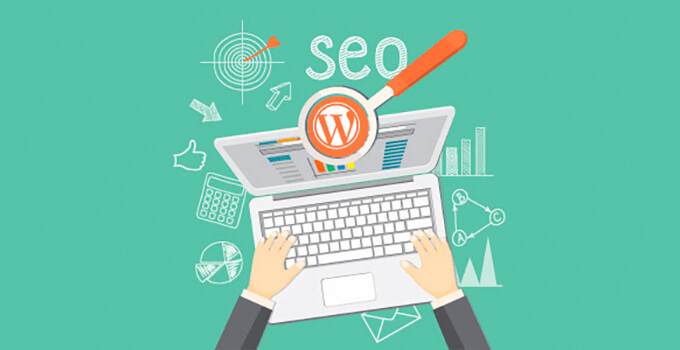
Technical SEO: The Backbone of Visibility
Behind every successful website is solid technical SEO. This includes elements that users may never notice but search engines rely on.
A properly configured site should be easy to crawl and index. This means no broken links, no duplicate content issues, and no blocked pages that should be visible.
Security is also essential. HTTPS is now a standard requirement, not an optional feature. Without it, your rankings and user trust can suffer.
Another important aspect is site structure. A well-organized website helps search engines understand the relationship between pages and distribute authority effectively.
Advantages of WordPress for SEO
WordPress stands out because of its flexibility. You can customize almost every aspect of your website, from design to functionality to SEO strategy.
It also has a massive community. This means constant updates, improvements, and access to best practices. If a problem exists, chances are someone has already solved it.
The platform is also ideal for content-driven strategies. Blogging, landing pages, and long-form content are easy to manage, making it perfect for SEO-focused websites.
Challenges You Shouldn’t Ignore
Despite its strengths, WordPress is not perfect.
It requires maintenance. Updates, backups, and security checks are ongoing responsibilities. Ignoring them can lead to performance issues or even security breaches.
There is also a learning curve. While basic usage is simple, advanced SEO optimization often requires technical knowledge.
Another risk is overcomplication. Many users install too many plugins or choose bloated themes, which can hurt performance and rankings.
The key is discipline. Simplicity and strategy outperform complexity every time.
Long-Term SEO Strategy with WordPress
SEO is not a one-time task—it’s a long-term process. WordPress gives you the tools, but success depends on how consistently you use them.
A strong strategy includes regular content updates, performance monitoring, and continuous improvement. Analytics tools help you understand what’s working and what isn’t.
Over time, small improvements compound. Better content, faster performance, and stronger structure gradually lead to higher rankings and more traffic.
Is WordPress Good for SEO?
Yes, WordPress is excellent for SEO—but only if you use it correctly.
It provides one of the best foundations available, combining flexibility, scalability, and powerful tools. However, it does not replace strategy, effort, or understanding.
If you treat WordPress as a shortcut, you will be disappointed. If you treat it as a framework and invest in optimizing it properly, it can become one of the most effective SEO platforms you can use.
The difference is not in the platform—it’s in how you use it.
10 Ecommerce Conversion Killers Costing You Sales in 2026
Your ecommerce store might look polished, your ads may be generating steady traffic, and your pricing could be competitive—yet conversions remain disappointingly low. This is one of the most frustrating situations for any online business owner. When everything appears to be working on the surface, but revenue doesn’t reflect the effort, the real problem often lies deeper.
What’s silently hurting your performance are conversion killers—subtle friction points embedded in your store experience. These are not always obvious, and traditional analytics tools rarely highlight them directly. Instead, they manifest through behavior: abandoned carts, short sessions, hesitation, and quiet exits.
Understanding and eliminating these barriers is what separates stagnant stores from high-performing ones.
What Are Ecommerce Conversion Killers?
Conversion killers are anything that interrupts or discourages a visitor from completing a purchase. They can appear at any stage of the customer journey—from the moment someone lands on your homepage to the final checkout step.
Most of these issues fall into four broader categories: performance problems, trust gaps, usability flaws, and information deficiencies. While each may seem minor on its own, together they create a compounded effect that erodes confidence and increases abandonment.
The challenge is that store owners rarely experience these issues the way new visitors do. Familiarity hides friction. What feels intuitive to you may be confusing or frustrating to someone seeing your site for the first time—especially on mobile.
Slow Page Speed: The Silent Revenue Killer
Speed is no longer a technical detail—it is a core part of user experience. In 2026, users expect near-instant responses. When a page takes more than a couple of seconds to load, impatience sets in almost immediately.
But the real issue goes beyond inconvenience. Slow websites create doubt. Visitors begin to question the reliability of your business. If your product page loads slowly, they assume checkout will be worse. If checkout feels unreliable, they won’t risk entering payment details.
This perception alone can destroy conversions before your value proposition even has a chance to work.
The problem often originates from oversized images, bloated scripts, or excessive third-party apps. Many stores unknowingly sacrifice speed in pursuit of features, not realizing that each additional element adds friction.
Even a one-second improvement in load time can lead to noticeable gains in conversion rate. That’s how sensitive user behavior has become.
Poor Mobile Experience: Where Most Sales Are Lost
Mobile traffic dominates ecommerce, yet many stores are still designed with desktop in mind. This mismatch creates a frustrating experience for the majority of users.
On smaller screens, every design flaw becomes amplified. Buttons that are slightly too small become difficult to tap. Text that is slightly too dense becomes unreadable. Forms that are mildly inconvenient become unbearable.
Mobile users are also more distracted and less patient. They are often browsing in short bursts—during commutes, breaks, or while multitasking. If your site requires extra effort, they simply leave.
What makes this particularly dangerous is how quickly mobile frustration escalates. A single failed interaction—like tapping a button that doesn’t respond—can immediately end a session.
Optimizing for mobile is no longer optional. It requires deliberate testing on real devices, not just simulations, and a deep understanding of how people interact with touch interfaces.
Confusing Navigation That Breaks Momentum
When visitors cannot find what they’re looking for quickly, they don’t explore—they exit.
Navigation should feel invisible. It should guide users effortlessly toward their goal without requiring conscious effort. But many ecommerce stores overcomplicate this process with unclear labels, excessive categories, or inconsistent structure.
Instead of helping users move forward, poor navigation creates hesitation. Visitors click around aimlessly, rely on search, or bounce between pages in frustration.
This behavior—often referred to as “pogo-sticking”—is a strong signal that your site structure is working against you.
Clarity always outperforms creativity here. Straightforward category names and logical organization reduce cognitive load and keep users moving toward a purchase.
Missing Trust Signals That Undermine Confidence
Trust is the foundation of every online transaction. Without it, even the best products won’t convert.
First-time visitors approach unfamiliar stores with skepticism. They are constantly evaluating whether your business is legitimate, secure, and reliable. If they don’t find reassurance quickly, they won’t proceed.
Trust is built through small but powerful signals: visible contact information, recognizable payment options, transparent return policies, and real customer feedback.
The absence of these elements creates doubt. And doubt, even if subtle, is enough to stop a purchase.
What matters just as much as having these signals is where you place them. Trust needs to appear at critical decision points—especially near calls-to-action and during checkout. If users have to search for reassurance, it loses its impact.
Weak or Misplaced Calls-to-Action
A call-to-action is where intention turns into action. But many stores fail at this crucial moment.
When CTAs are vague, poorly positioned, or visually unclear, users hesitate. And hesitation kills momentum.
The issue is rarely about design alone—it’s about clarity and timing. Visitors need to understand exactly what will happen when they click. If the next step feels uncertain, they delay the decision or abandon it entirely.
Another common problem is competing actions. When users are presented with too many options, they often choose none.
Strong CTAs remove ambiguity. They guide users forward with confidence and align perfectly with their intent at that moment.
A Complicated Checkout Process
Checkout is where conversions should happen—but it’s also where many are lost.
The more effort required to complete a purchase, the higher the likelihood of abandonment. Long forms, forced account creation, unclear steps, and confusing error messages all introduce friction.
At this stage, users are already committed. They want to complete the purchase quickly and without obstacles. Any disruption feels disproportionate and frustrating.
Simplifying checkout is one of the highest-impact improvements you can make. Reducing fields, allowing guest checkout, and making the process intuitive can dramatically increase completion rates.
Unexpected Costs That Break Trust Instantly
Few things frustrate shoppers more than seeing the total price suddenly increase at the final step.
Hidden shipping fees, unexpected taxes, or additional charges create a sense of deception. Even if the price itself is reasonable, the experience feels dishonest.
This moment often leads to immediate abandonment—and worse, it damages trust permanently.
Transparency is critical. When users understand the full cost upfront, they can make informed decisions without feeling misled.
Clear pricing builds confidence. Surprises destroy it.
Insufficient Product Information
Online shoppers rely entirely on the information you provide. If that information is incomplete, unclear, or unconvincing, they hesitate.
A product page should answer every question a customer might have before they even think to ask it. This includes not just specifications, but context—how the product fits into their life, what problem it solves, and why it’s worth buying.
When details are missing, users either leave to find answers elsewhere or abandon the purchase altogether.
Strong product descriptions don’t just inform—they persuade. They reduce uncertainty and help users visualize ownership.
Poor Product Imagery That Fails to Convince
Images are often the first and most influential element on a product page. They shape perception instantly.
Low-quality visuals, limited angles, or inconsistent presentation create doubt. If users cannot clearly see what they are buying, they won’t commit.
Modern shoppers expect more than basic images. They want to explore the product visually—zoom in, see it in use, understand its scale, and imagine how it fits into their world.
High-quality, consistent imagery builds confidence and reduces the gap between online browsing and real-world experience.
Missing Social Proof That Validates Decisions
People trust other people more than they trust brands. That’s why social proof plays such a powerful role in ecommerce.
Reviews, testimonials, and user-generated content provide reassurance that your products deliver on their promises. Without them, users are left relying solely on your claims—which is rarely enough.
Social proof reduces perceived risk. It confirms that others have made the same decision and were satisfied with the outcome.
Its absence creates uncertainty. And uncertainty leads to hesitation.
Finding and Fixing Conversion Killers
Recognizing these issues is only the first step. The real challenge lies in identifying where they exist within your own store.
This requires shifting from assumptions to evidence. Instead of guessing what might be wrong, you need to observe real user behavior.
Tools like session replays, heatmaps, and behavioral analytics reveal what traditional metrics cannot. They show where users struggle, where they hesitate, and where they drop off.
These insights allow you to prioritize fixes based on impact rather than intuition.
Final Thoughts
Ecommerce success in 2026 is not just about attracting traffic—it’s about removing friction.
Every unnecessary delay, every moment of confusion, and every missing piece of information reduces your chances of conversion. These issues may seem small individually, but together they define the user experience.
The stores that win are not always the ones with the best products or the biggest budgets. They are the ones that make buying feel effortless.
If your conversions are lower than expected, don’t look for bigger strategies first. Start by eliminating the small obstacles.
Because in ecommerce, it’s rarely one big problem holding you back—it’s ten small ones working together.

GDPR and Data Privacy for E-commerce Owners: Building Trust in a Data-Driven Economy
The modern e-commerce landscape runs on data. Every click, search, purchase, and interaction generates valuable information about customers—their preferences, behaviors, and intentions. For online store owners, this data is not just a byproduct of doing business; it is a powerful asset that drives marketing, personalization, and growth.
However, with this power comes responsibility. As digital commerce has expanded, so have concerns about how personal data is collected, stored, and used. Customers are no longer passive participants in the data economy—they are increasingly aware of their rights and more cautious about who they trust. At the same time, governments have introduced stricter regulations to protect individuals from misuse of their personal information.
One of the most influential of these regulations is the General Data Protection Regulation, widely known as GDPR. For e-commerce owners, understanding GDPR is not just about avoiding penalties. It is about building a sustainable, trustworthy business in an environment where privacy is becoming a defining factor of success.
Understanding GDPR in the Context of E-commerce
GDPR is a comprehensive data protection law that applies to businesses operating within the European Union, as well as those outside the EU that process the data of EU residents. This means that even if your online store is based in another part of the world, you may still be subject to GDPR if you sell to or track users from Europe.
At its core, GDPR is designed to give individuals greater control over their personal data. It defines how businesses should collect, process, store, and protect information that can identify a person. This includes obvious data such as names and email addresses, but also less obvious elements like IP addresses, location data, and online identifiers.
For e-commerce businesses, this has significant implications. From the moment a user lands on your website, you are potentially collecting data through cookies, analytics tools, and tracking pixels. Every step of the customer journey—from browsing products to completing a purchase—must align with GDPR principles.
The Shift From Data Collection to Data Responsibility
In the early days of e-commerce, data collection was often aggressive and unrestricted. Businesses gathered as much information as possible, often without clearly explaining why or how it would be used. This approach is no longer viable.
GDPR represents a fundamental shift in mindset. It moves businesses away from the idea of “collect everything” toward a more disciplined approach of “collect only what is necessary.” This concept, known as data minimization, is central to compliance.
For e-commerce owners, this means re-evaluating every form, field, and tracking mechanism on their website. If you are asking for information, you must have a clear and legitimate reason. More importantly, you must be transparent about that reason.
This shift also impacts how long data is stored. Keeping customer information indefinitely is no longer acceptable. Businesses must define retention periods and ensure that data is deleted or anonymized when it is no longer needed.

Consent: The Foundation of Lawful Data Processing
One of the most visible aspects of GDPR is the emphasis on user consent. Consent is not just a checkbox—it must be freely given, specific, informed, and unambiguous. This has changed how e-commerce websites handle cookies, email subscriptions, and marketing communications.
When a user visits your site, you must clearly explain what data you collect and why. Cookie banners, for example, should allow users to choose which types of tracking they accept. Pre-ticked boxes or vague language are not sufficient.
In email marketing, consent must be explicit. Customers should actively opt in to receive communications, and they must be able to withdraw that consent easily at any time. This requirement has led to cleaner, more engaged mailing lists, but it also demands more careful management.
Consent is not a one-time event. It is an ongoing relationship between your business and your customers. Maintaining that relationship requires transparency, respect, and consistency.
Customer Rights and Their Impact on Online Stores
GDPR grants individuals several rights over their personal data, and these rights directly affect how e-commerce businesses operate. Customers have the right to access the data you hold about them, request corrections, and in some cases, demand deletion.
This means your systems must be capable of locating and managing individual data records efficiently. If a customer asks what information you have about them, you need to provide a clear and complete answer. If they request deletion, you must comply unless there is a legitimate reason to retain the data, such as legal or financial obligations.
Another important right is data portability. Customers can request their data in a format that allows them to transfer it to another service. While this may seem like a challenge, it also reflects a broader trend toward user empowerment and competition based on trust.
Handling these requests requires more than technical capability. It requires well-defined processes and a commitment to respecting customer privacy.
Data Security: Protecting What You Collect
Collecting data responsibly is only part of the equation. Protecting that data is equally critical. GDPR requires businesses to implement appropriate security measures to prevent unauthorized access, loss, or breaches.
For e-commerce stores, this includes securing payment information, encrypting sensitive data, and maintaining a safe hosting environment. Regular updates, strong authentication systems, and monitoring tools are essential components of a secure infrastructure.
Data breaches are not just technical incidents—they are reputational crises. If customer information is compromised, the damage to trust can be severe and long-lasting. GDPR also requires businesses to report certain types of breaches within a specific timeframe, adding another layer of accountability.
Investing in security is not just about compliance. It is about protecting your customers and your business from risks that can have serious consequences.
Third-Party Tools and Shared Responsibility
Most e-commerce websites rely on third-party services for analytics, marketing, payments, and logistics. While these tools provide valuable functionality, they also introduce complexity in terms of data privacy.
Under GDPR, you are responsible not only for your own data practices but also for the practices of the services you use. This means you must ensure that your partners comply with GDPR standards and handle data appropriately.
Data processing agreements are often required to define responsibilities and ensure transparency. You must also be aware of where data is stored and transferred, especially if it moves outside the European Economic Area.
Choosing reliable and compliant partners is essential. It reduces risk and ensures that your entire ecosystem aligns with privacy regulations.
Transparency as a Competitive Advantage
While GDPR is often seen as a regulatory burden, it also presents an opportunity. Businesses that embrace transparency and prioritize data privacy can differentiate themselves in a crowded market.
Customers are more likely to trust brands that are clear about how their data is used and that demonstrate respect for their privacy. This trust translates into stronger relationships, higher retention rates, and ultimately, increased revenue.
Your privacy policy should not be an afterthought buried in the footer. It should be a clear and accessible document that explains your practices in plain language. Communication around data usage should be consistent across your website, emails, and marketing materials.
Transparency is not just about compliance—it is about building confidence.
The Operational Impact of GDPR on E-commerce
Implementing GDPR affects multiple aspects of your business operations. It influences how you design your website, structure your marketing campaigns, and manage customer relationships.
From a technical perspective, it requires systems that can track consent, manage data, and respond to user requests. From a strategic perspective, it encourages a more thoughtful approach to data usage and customer engagement.
These changes may require initial investment in tools, processes, and expertise. However, they also lead to more efficient and ethical practices. By focusing on quality over quantity in data collection, businesses can gain deeper insights and build more meaningful connections with their audience.
Moving Toward a Privacy-First Future
The importance of data privacy will only continue to grow. Regulations are evolving, and consumer expectations are rising. E-commerce businesses that adapt early will be better positioned to navigate this changing landscape.
A privacy-first approach is not about limiting your capabilities—it is about using data responsibly and strategically. It aligns your business with the values of modern consumers and creates a foundation for long-term success.
Rather than viewing GDPR as an obstacle, it should be seen as a framework for building a better business. One that respects its customers, protects their information, and earns their trust.
Compliance Is Just the Beginning
GDPR compliance is not a one-time task or a box to check. It is an ongoing commitment to responsible data practices. For e-commerce owners, this means continuously reviewing and improving how data is handled at every stage of the customer journey.
The businesses that succeed in this environment are those that go beyond minimum requirements. They treat data privacy as a core part of their brand and their operations. They understand that trust is not given—it is earned.
In a world where data drives decisions, the way you handle that data defines your business.

30 WordPress SEO Best Practices: The Ultimate In-Depth Guide
WordPress has earned its reputation as one of the most versatile and widely used content management systems in the world. Millions of websites rely on it, from personal blogs to enterprise-level platforms. However, simply launching a WordPress site does not guarantee visibility in search engine results. Success online requires a deliberate and strategic approach to search engine optimization.
SEO is not a one-time task but an ongoing process that involves refining your website’s structure, improving content quality, and ensuring a seamless user experience. When done correctly, it allows search engines like Google to understand your website better while also making your content more valuable and accessible to visitors.
This guide explores the most effective WordPress SEO practices in depth, helping you build a strong foundation for long-term organic growth.
Understanding the Foundation of WordPress SEO
At its core, SEO is about communication. Search engines aim to deliver the most relevant and high-quality results to users, and your role is to make your website understandable, trustworthy, and useful.
WordPress already provides a solid base for SEO благодаря its clean code structure and flexibility. However, to truly unlock its potential, you need to optimize multiple layers of your site, including technical performance, content strategy, and user experience.
A well-optimized WordPress site is fast, easy to navigate, mobile-friendly, and rich in valuable content. These elements work together to create a strong signal for search engines.
The Importance of High-Quality Content
Content remains the backbone of SEO. Search engines prioritize websites that provide meaningful, relevant, and original information. Writing content just to fill pages is no longer effective; instead, every article should aim to answer real questions or solve specific problems.
When creating content, it is crucial to focus on depth and clarity. Long-form articles that thoroughly cover a topic tend to perform better because they provide more value. At the same time, readability should not be sacrificed. Clear structure, logical flow, and engaging language make a significant difference in how users interact with your content.
Consistency is equally important. Publishing regularly signals to search engines that your site is active and continuously updated, which can positively impact rankings.
Keyword Strategy and Search Intent
Keywords are still essential, but the way they are used has evolved. Instead of focusing on exact keyword matches, modern SEO emphasizes understanding search intent. This means identifying what users are actually looking for when they type a query.
For example, someone searching for “WordPress SEO tips” is likely seeking practical advice, while another user searching for “what is SEO” may want a basic explanation. Tailoring your content to match these intentions improves both user satisfaction and search rankings.
Integrating keywords naturally into your content, headings, and metadata helps search engines understand your topic without compromising readability. Overusing keywords, however, can have the opposite effect and harm your rankings.
Technical Optimization for Better Performance
A technically sound website is essential for SEO success. Search engines favor sites that load quickly, function smoothly, and provide a seamless experience across all devices.
Website speed plays a critical role. Slow-loading pages frustrate users and increase bounce rates, which negatively impacts rankings. Optimizing images, using efficient hosting, and minimizing unnecessary scripts can significantly improve performance.
Mobile responsiveness is no longer optional. With the majority of web traffic coming from mobile devices, search engines prioritize mobile-friendly websites. A responsive design ensures that your content looks and functions well on any screen size.
Another important aspect is site structure. A clear and logical structure helps both users and search engines navigate your website more efficiently. This includes using proper headings, internal linking, and clean URLs.
The Role of SEO Plugins in WordPress
One of the strengths of WordPress is its extensive ecosystem of plugins. SEO plugins simplify many optimization tasks, from managing metadata to generating XML sitemaps.
While plugins are helpful, they should not replace a solid understanding of SEO principles. Relying solely on automated tools can lead to missed opportunities. Instead, use plugins as a support system to enhance your overall strategy.
Proper configuration of these tools ensures that your site communicates effectively with search engines, improving visibility and indexing.
On-Page SEO and Content Optimization
On-page SEO involves optimizing individual pages to improve their rankings. This includes refining titles, meta descriptions, headings, and content structure.
A compelling title not only includes relevant keywords but also encourages users to click. Meta descriptions, while not a direct ranking factor, influence click-through rates and should clearly summarize the page’s value.
Headings play a dual role. They organize content for readers and help search engines understand the hierarchy of information. Using them strategically enhances both readability and SEO performance.
Internal linking is another powerful technique. By connecting related content, you guide users through your website while also helping search engines discover and index more pages.

User Experience and Engagement Signals
Search engines increasingly consider user behavior when ranking websites. Metrics such as time on page, bounce rate, and click-through rate provide insights into how users interact with your content.
A positive user experience encourages visitors to stay longer and explore more pages. This can be achieved through intuitive navigation, appealing design, and fast loading times.
Engaging content also plays a crucial role. When users find your content valuable, they are more likely to share it, link to it, and return in the future. These signals contribute to improved search rankings over time.
The Power of Backlinks and Authority
Backlinks remain one of the most influential ranking factors. When other websites link to your content, it signals trust and authority to search engines.
However, not all backlinks are equal. High-quality links from reputable sources carry far more weight than numerous low-quality links. Building relationships, creating shareable content, and contributing to authoritative platforms are effective ways to earn valuable backlinks.
Authority is built gradually. Consistency, credibility, and relevance are key elements in establishing your website as a trusted source within your niche.
Continuous Optimization and Monitoring
SEO is not a static process. Search engine algorithms evolve, user behavior changes, and competition increases. Regular monitoring and updates are essential to maintain and improve your rankings.
Analyzing performance data helps identify what works and what needs improvement. This includes tracking keyword rankings, traffic sources, and user engagement metrics.
Updating existing content is just as important as creating new content. Refreshing outdated information, improving structure, and adding new insights can significantly boost performance.
Conclusion
Achieving strong SEO results with WordPress requires a comprehensive and consistent approach. It is not about quick fixes but about building a solid foundation that combines technical excellence, high-quality content, and a deep understanding of user needs.
By focusing on long-term value rather than short-term gains, you can create a website that not only ranks well in search engines but also delivers a meaningful experience to your audience. WordPress provides the tools, but it is your strategy and execution that determine success.

How to Build a Small Business Website That Actually Works
A staggering 97% of consumers search online for local businesses before making a decision. In a world where attention spans are short and competition is just a click away, not having a website doesn’t just put you behind—it effectively makes your business invisible. Your website is more than a digital presence; it is your storefront, your salesperson, your brand ambassador, and often the first impression you make on a potential customer.
Yet, building a small business website that actually works is not as simple as choosing a template and publishing a few pages. Many entrepreneurs fall into common traps: overcomplicating design, underestimating functionality, ignoring scalability, or creating something that looks good but performs poorly. The result is often a site that fails to convert visitors into customers.
Creating an effective website requires a careful balance between aesthetics and functionality. It must not only look professional but also guide users smoothly toward taking action—whether that’s making a purchase, booking a service, or contacting your business.
Defining Clear Business Goals Before You Start
Before diving into design or selecting a platform, the most important step is defining what your website is supposed to achieve. Without clear goals, even the most visually stunning website can fail to deliver meaningful results.
A successful website starts with purpose. Are you trying to generate leads, sell products, build brand awareness, or provide information? Each of these goals requires a different structure, content strategy, and user experience.
Clarity at this stage prevents wasted time and money later. Many websites fail because they are built without direction, resulting in scattered messaging and confused visitors. By setting specific, measurable, attainable, relevant, and time-bound (SMART) goals, you create a roadmap that guides every decision moving forward.
Short-term goals might include increasing inquiries, improving search engine rankings, or launching a product. Long-term goals could involve scaling your business, expanding into new markets, or becoming a recognized authority in your field. When your website aligns with these objectives, it becomes a powerful business tool rather than just an online brochure.
Understanding Your Target Audience
A website that tries to appeal to everyone often ends up resonating with no one. Understanding your audience is essential to creating a site that feels relevant, engaging, and trustworthy.
Think about who your ideal customers are. What problems are they trying to solve? What motivates them to make decisions? How do they typically interact with websites? Answering these questions helps you design an experience tailored to their needs.
For example, a local service business may need clear contact information and trust signals like reviews and testimonials. An e-commerce store, on the other hand, must focus on product presentation, easy navigation, and a smooth checkout process.
The more you understand your audience, the more effectively you can guide them toward taking action. This understanding influences everything—from the tone of your content to the layout of your pages.

Choosing the Right Platform for Growth
One of the most critical decisions you will make is selecting the platform on which your website will be built. While many tools promise simplicity and speed, not all of them are suitable for long-term growth.
It can be tempting to choose the easiest or cheapest option available, especially when working with a limited budget. However, this decision can lead to problems later if the platform cannot support your evolving needs.
A good platform should offer flexibility, scalability, and essential features such as mobile responsiveness, SEO tools, security, and integration capabilities. As your business grows, your website should be able to grow with it—without requiring a complete rebuild.
Investing time in choosing the right foundation ensures that your website remains an asset rather than becoming a limitation.
Designing for Simplicity and Clarity
Design plays a crucial role in how users perceive your business. A cluttered, confusing layout can quickly drive visitors away, while a clean and intuitive design encourages them to stay and explore.
Effective design is not about adding more elements—it’s about removing unnecessary ones. Every section, image, and piece of text should serve a purpose. Navigation should be straightforward, allowing users to find what they need without frustration.
Consistency is also key. Colors, fonts, and visual elements should align with your brand identity, creating a cohesive and professional appearance. This consistency builds trust and reinforces your brand in the minds of visitors.
A well-designed website doesn’t just look good—it makes the user’s journey effortless.
Creating Content That Converts
Content is the heart of your website. It communicates your value, builds trust, and ultimately drives action. Without strong content, even the best design will fall short.
Your messaging should be clear, concise, and focused on the benefits you provide. Instead of simply describing your products or services, explain how they solve your customers’ problems.
Each page should have a purpose and guide the visitor toward a specific action. This could be filling out a form, making a purchase, or contacting your business. Calls-to-action should be visible and compelling, encouraging users to take the next step.
Authenticity also matters. Customers are more likely to engage with businesses that feel genuine and transparent. Including testimonials, case studies, and real-life examples can significantly enhance credibility.
Optimizing for Mobile Users
In today’s digital landscape, a significant portion of web traffic comes from mobile devices. A website that doesn’t perform well on smartphones and tablets risks losing a large segment of potential customers.
Mobile optimization goes beyond simply resizing content. It involves creating a seamless experience tailored to smaller screens. This includes fast loading times, easy navigation, and readable text.
A mobile-friendly website not only improves user experience but also impacts search engine rankings. Search engines prioritize sites that perform well on mobile, making optimization essential for visibility.
Ensuring Fast Performance and Reliability
Speed is a critical factor in user satisfaction. Studies show that even a one-second delay in loading time can significantly reduce conversions. Visitors expect websites to load quickly, and if yours doesn’t, they are likely to leave.
Performance optimization involves several elements, including image compression, efficient coding, and reliable hosting. A fast website creates a positive first impression and keeps users engaged.
Reliability is equally important. Frequent downtime or technical issues can damage your reputation and lead to lost business. Investing in quality hosting and regular maintenance ensures that your website remains accessible and functional at all times.
Building Trust Through Security and Transparency
Trust is a fundamental component of any successful website. Visitors need to feel confident that your business is legitimate and that their information is safe.
Implementing security measures such as SSL certificates protects user data and signals professionalism. Clear privacy policies, contact information, and transparent business practices further enhance credibility.
Trust signals, including customer reviews, certifications, and partnerships, can also play a significant role in influencing decisions. When users trust your website, they are more likely to engage and convert.
Leveraging SEO for Visibility
A website is only effective if people can find it. Search engine optimization (SEO) helps your site appear in search results, driving organic traffic.
SEO involves optimizing your content, structure, and technical elements to align with search engine algorithms. This includes using relevant keywords, creating high-quality content, and ensuring proper site architecture.
Local SEO is particularly important for small businesses. Optimizing for local searches helps you reach customers in your area, increasing the likelihood of conversions.
While SEO takes time, it is one of the most cost-effective ways to attract consistent, high-quality traffic.
Continuously Improving Through Data
Launching your website is not the end of the process—it is just the beginning. To ensure long-term success, you must continuously analyze and improve its performance.
Tools like analytics platforms provide valuable insights into user behavior. You can track metrics such as traffic, bounce rates, and conversion rates to understand what is working and what needs improvement.
Regular updates and optimizations keep your website relevant and effective. By testing different approaches and refining your strategy, you can steadily enhance performance over time.
Conclusion: Turning Your Website Into a Business Asset
A small business website should do more than exist—it should actively contribute to your growth. By focusing on clear goals, understanding your audience, choosing the right platform, and prioritizing functionality over unnecessary complexity, you can create a website that truly works.
The most successful websites are those that evolve alongside the business. They adapt to changing needs, incorporate new technologies, and continuously improve based on data and feedback.
When built with intention and strategy, your website becomes more than a digital presence. It becomes a powerful engine for attracting customers, building relationships, and driving long-term success.