

Why WordPress Optimization Is a Business Imperative
WordPress optimization is not just a technical exercise—it is a direct driver of business growth. Every fraction of a second in page load time, every improvement in site structure, and every refinement in content strategy compounds into measurable outcomes: higher traffic, stronger engagement, and increased conversions. In a digital landscape where user expectations are unforgiving and competition is relentless, optimization becomes the invisible engine powering success.
A well-optimized WordPress site does more than load quickly. It communicates clearly with search engines, guides users effortlessly through content, and builds trust through consistent performance. Businesses that treat optimization as an ongoing strategy rather than a one-time task position themselves to benefit from sustained growth rather than short-lived spikes.
The Compounding Effect of Performance and Visibility
Optimization in WordPress creates a powerful feedback loop. Faster websites rank better in search engines, improved rankings drive more traffic, and increased traffic generates more behavioral signals such as longer session durations and lower bounce rates. These signals further reinforce search visibility, creating a cycle of continuous improvement.
At the same time, users are more likely to convert on websites that feel responsive and reliable. A delay of even a few seconds can disrupt the user journey, causing hesitation or abandonment. In this sense, performance is not just about speed—it is about maintaining momentum throughout the entire customer experience.
WordPress Speed Optimization: Building the Foundation
The Critical Role of Hosting Infrastructure
The foundation of WordPress performance begins with hosting. The quality of your hosting provider determines how efficiently your site processes requests, handles traffic spikes, and interacts with the database. High-performance hosting environments are designed to scale dynamically, ensuring stability even during periods of intense demand.
Database performance is particularly critical. Slow query execution can create bottlenecks that ripple through the entire site. When database operations are optimized, content loads faster, transactions complete smoothly, and users experience fewer interruptions. This is especially important for e-commerce platforms and content-heavy websites where multiple queries are executed simultaneously.
Hardware, Software, and Environment Optimization
Beyond hosting, the underlying hardware and software environment plays a significant role. Processor speed, memory allocation, and storage type all influence how quickly your site responds to user requests. Modern infrastructure paired with updated software ensures that your WordPress installation can take advantage of the latest performance improvements.
Keeping WordPress core files, themes, and plugins updated is essential. Updates often include performance enhancements, security patches, and compatibility improvements. Outdated components not only slow down your site but also prevent it from leveraging modern optimization techniques.
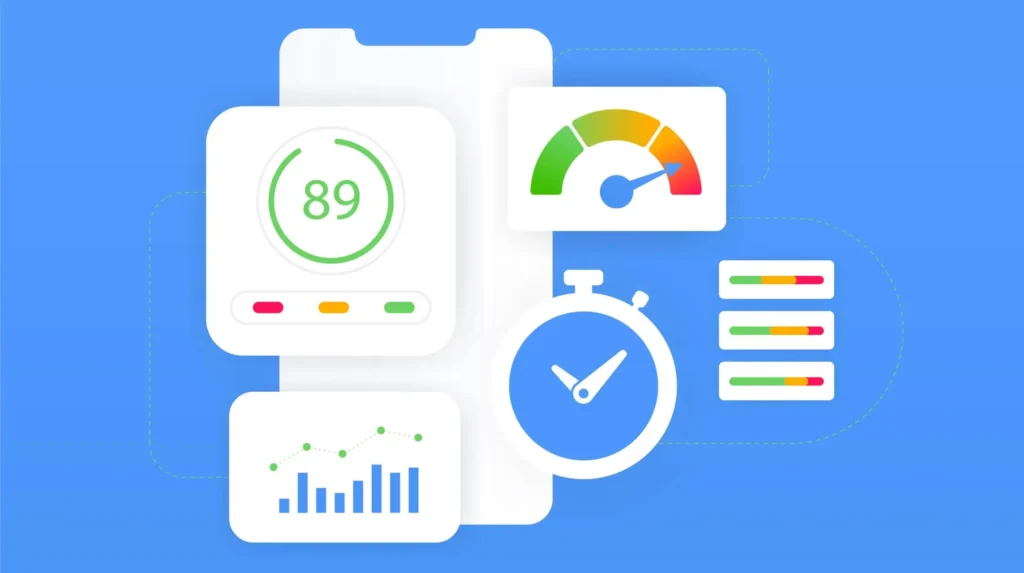
Image Optimization as a Performance Lever
Images represent one of the largest portions of webpage data. Without proper optimization, they can significantly slow down load times. Compressing images while maintaining visual quality is essential for balancing aesthetics with performance.
Modern image formats such as WebP provide substantial size reductions compared to traditional formats. When combined with techniques like lazy loading, which delays the loading of offscreen images, the impact on performance becomes even more pronounced. Properly optimized images can dramatically reduce page load times and improve the overall user experience.
Caching: Reducing Server Load and Increasing Speed
Caching is one of the most effective methods for improving WordPress performance. By storing pre-generated versions of pages, caching eliminates the need to repeatedly process the same requests through PHP and database queries.
Different layers of caching work together to enhance performance. Page caching delivers static HTML files directly to users, while object caching stores database query results for faster retrieval. When properly configured, caching can reduce server load significantly and improve key performance metrics such as Core Web Vitals.
Streamlining Code and Database Efficiency
Efficient code and database management are essential for maintaining a high-performing site. Over time, WordPress databases can accumulate unnecessary data, including post revisions, spam comments, and unused plugin entries. This accumulation slows down queries and increases response times.
Optimizing the database by cleaning up unused data and ensuring efficient indexing improves performance at a fundamental level. Similarly, reducing unnecessary scripts and styles minimizes the number of resources that need to be loaded, further enhancing speed.
WordPress SEO: Structuring for Discoverability
Creating a Logical and Intuitive Site Architecture
Search engine optimization begins with structure. A well-organized website allows both users and search engines to navigate content efficiently. Ideally, any page should be accessible within a few clicks, ensuring that important content is never buried too deeply.
Categories and internal linking play a central role in this structure. By grouping related content and connecting pages through contextual links, you create a network that enhances both usability and search engine understanding. Breadcrumb navigation further reinforces this structure, providing clarity for users and additional context for search engines.
Optimizing Content for Search Intent
Effective SEO goes beyond keywords—it focuses on aligning content with user intent. This involves understanding what users are searching for and delivering comprehensive, relevant information that satisfies their needs.
Keywords should be integrated naturally into titles, headings, and body content. Over-optimization can harm readability and reduce trust, while thoughtful integration enhances both user experience and search visibility. Regularly publishing and updating content signals to search engines that your site is active and relevant.
Clean and Evergreen URL Structures
Permalinks play a subtle yet important role in SEO. Clean, descriptive URLs help users understand what a page is about before they even click. They also provide search engines with additional context.
Avoiding unnecessary elements such as dates ensures that content remains evergreen. A timeless URL structure allows articles to stay relevant and attractive long after their initial publication, preserving their value in search results.
Mobile-First Optimization
With the majority of web traffic coming from mobile devices, optimization must prioritize mobile performance. Responsive design ensures that content adapts seamlessly to different screen sizes, while mobile-specific optimizations improve load times and usability.
Search engines prioritize mobile-friendly websites, making this aspect of optimization critical for maintaining and improving rankings. A mobile-optimized site not only ranks better but also provides a smoother experience for users on the go.
Content Strategy: Driving Sustainable Traffic Growth
The Power of Consistent Publishing
Consistency is one of the most important factors in content strategy. Regular publishing establishes authority, builds audience expectations, and signals ongoing relevance to search engines. Sporadic efforts, by contrast, fail to create momentum and often lead to inconsistent results.
High-quality content that is published consistently has a cumulative effect. Each new piece contributes to the overall visibility of the site, attracting new visitors and encouraging repeat engagement.
Leveraging Long-Tail Keywords
Long-tail keywords offer a strategic advantage in competitive markets. These more specific search phrases may have lower individual search volumes, but they often attract highly targeted audiences with clear intent.
By focusing on long-tail keywords, websites can achieve higher rankings more easily and attract users who are closer to making decisions. Over time, the combined impact of multiple long-tail keywords can rival or exceed that of broader, more competitive terms.
Updating and Expanding Existing Content
Refreshing existing content is one of the most efficient ways to improve performance. Articles that already have some level of visibility can be enhanced with updated information, expanded coverage, and improved structure.
This approach leverages existing authority while reducing the effort required to create entirely new content. By maintaining and improving older posts, websites can continuously strengthen their overall content portfolio.
Internal Linking as a Strategic Tool
Internal linking connects content into a cohesive ecosystem. By linking related pages, you guide users through your site while distributing authority across different sections.
Strategic placement of internal links enhances both usability and SEO. It helps search engines understand the relationships between pages and ensures that important content receives the visibility it deserves.
Technical Optimization: Refining the Backend
Database Management for Performance Stability
Efficient database management is essential for maintaining consistent performance. Keeping autoloaded data within optimal limits prevents unnecessary strain on server resources. Regular optimization ensures that the database remains streamlined and responsive.
Switching to modern storage engines and optimizing tables further enhances performance. These improvements reduce query times and allow the database to handle multiple operations simultaneously without degradation.
Reducing HTTP Requests
Every element on a webpage—scripts, styles, images—requires an HTTP request. The more requests a page makes, the longer it takes to load. Reducing these requests is a key aspect of front-end optimization.
Combining files, minimizing scripts, and implementing lazy loading all contribute to a more efficient loading process. By reducing the number of requests, you improve both speed and user experience.
Content Delivery Networks and Global Performance
A Content Delivery Network distributes your website across multiple servers worldwide. This ensures that users access content from the server closest to their location, reducing latency and improving load times.
CDNs also reduce the load on your origin server, allowing it to handle more traffic efficiently. This is particularly important for websites with a global audience.
Monitoring and Continuous Improvement
Optimization is not a one-time task—it requires ongoing monitoring and refinement. Tracking metrics such as CPU usage, memory consumption, and database performance provides insights into potential bottlenecks.
By identifying and addressing issues proactively, you can maintain a high level of performance and prevent problems before they impact users.
The Value of Professional Optimization
While many optimization techniques can be implemented independently, professional services offer a level of expertise and efficiency that accelerates results. Experienced teams can identify issues that may not be immediately apparent and implement solutions tailored to specific needs.
Professional optimization also ensures that all aspects of performance—speed, SEO, content, and technical infrastructure—are aligned and working together. This holistic approach delivers more consistent and impactful results.
Building a High-Performance WordPress Ecosystem
WordPress optimization is a multifaceted process that touches every aspect of your website. From hosting and speed to SEO and content strategy, each element contributes to the overall performance and success of your site.
When these elements are aligned, they create a powerful system that attracts visitors, engages users, and drives conversions. The result is not just a faster website, but a more effective one—capable of supporting long-term business growth.
Sustainable success in WordPress does not come from isolated improvements. It comes from a commitment to continuous optimization, strategic thinking, and a deep understanding of how performance, visibility, and user experience intersect.